Construction Courses in Liverpool: A School Leaver's Guide to Trade Careers
If the thought of another two years behind a desk fills you with dread, you are not alone. Plenty of school leavers across Merseyside finish Year 11 knowing one thing: they want to do something practical.
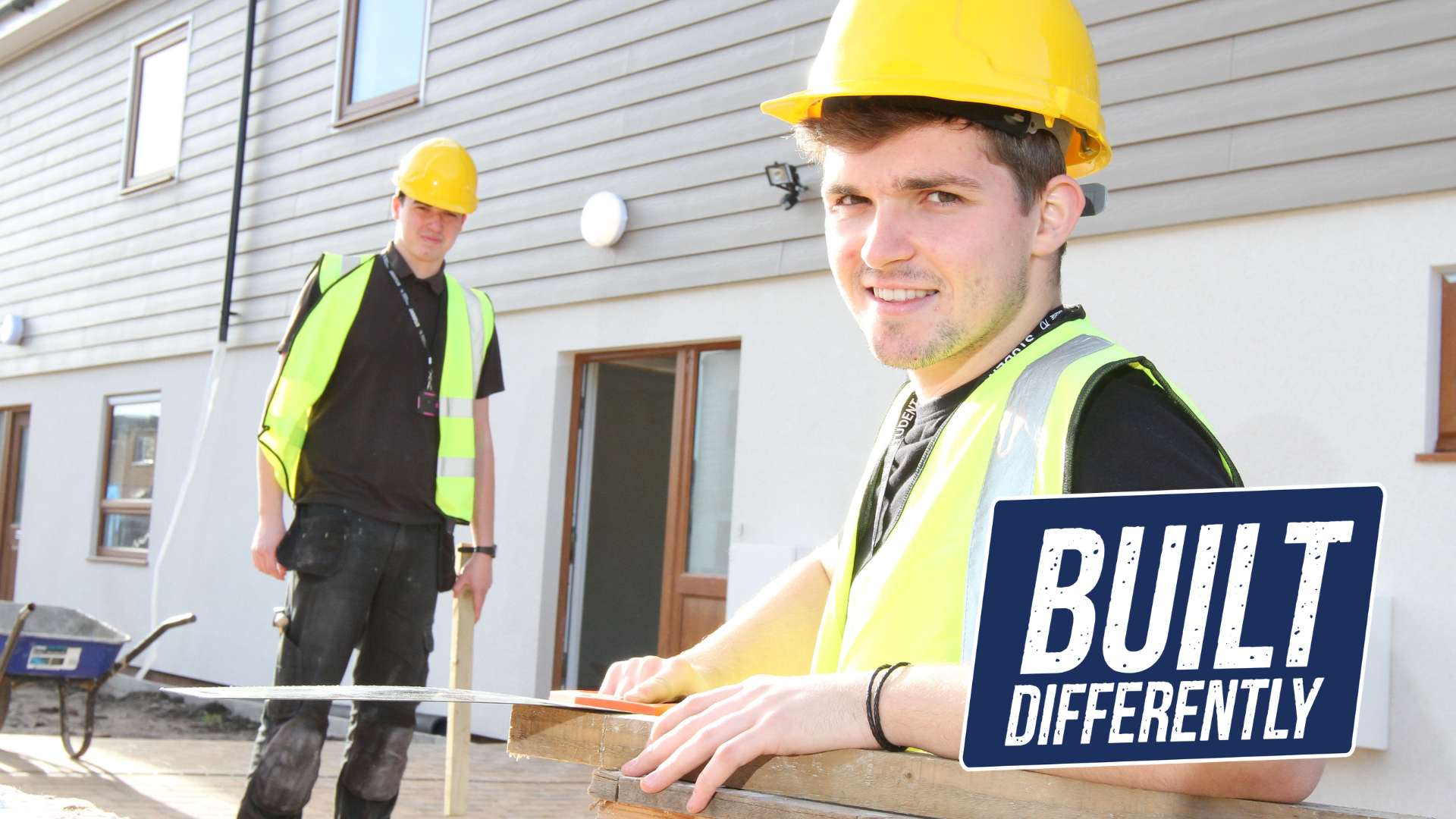
Not every future belongs in a classroom
If the thought of sitting behind a desk for another two years fills you with dread, you are not alone. Thousands of school leavers across Merseyside finish Year 11 knowing one thing for certain: they want to do something practical. Something real. Something they can see take shape at the end of the day.
A career in the trades gives you exactly that. And the good news is, you do not need to figure it all out before September. That is what college is for.
At Hugh Baird College, our construction courses are designed for students who want to learn by doing. No endless note-taking. No pretending to enjoy essays. Just proper hands-on training in specialist workshops, taught by tutors who have actually worked on site.
Not sure which trade suits you? Take 60 seconds to try our Find Your Trade quiz and get a personalised recommendation based on how you like to work.
Here is a run through of the trade routes on offer at Hugh Baird College, what each one involves, and where it could take you.
Bricklaying courses in Liverpool
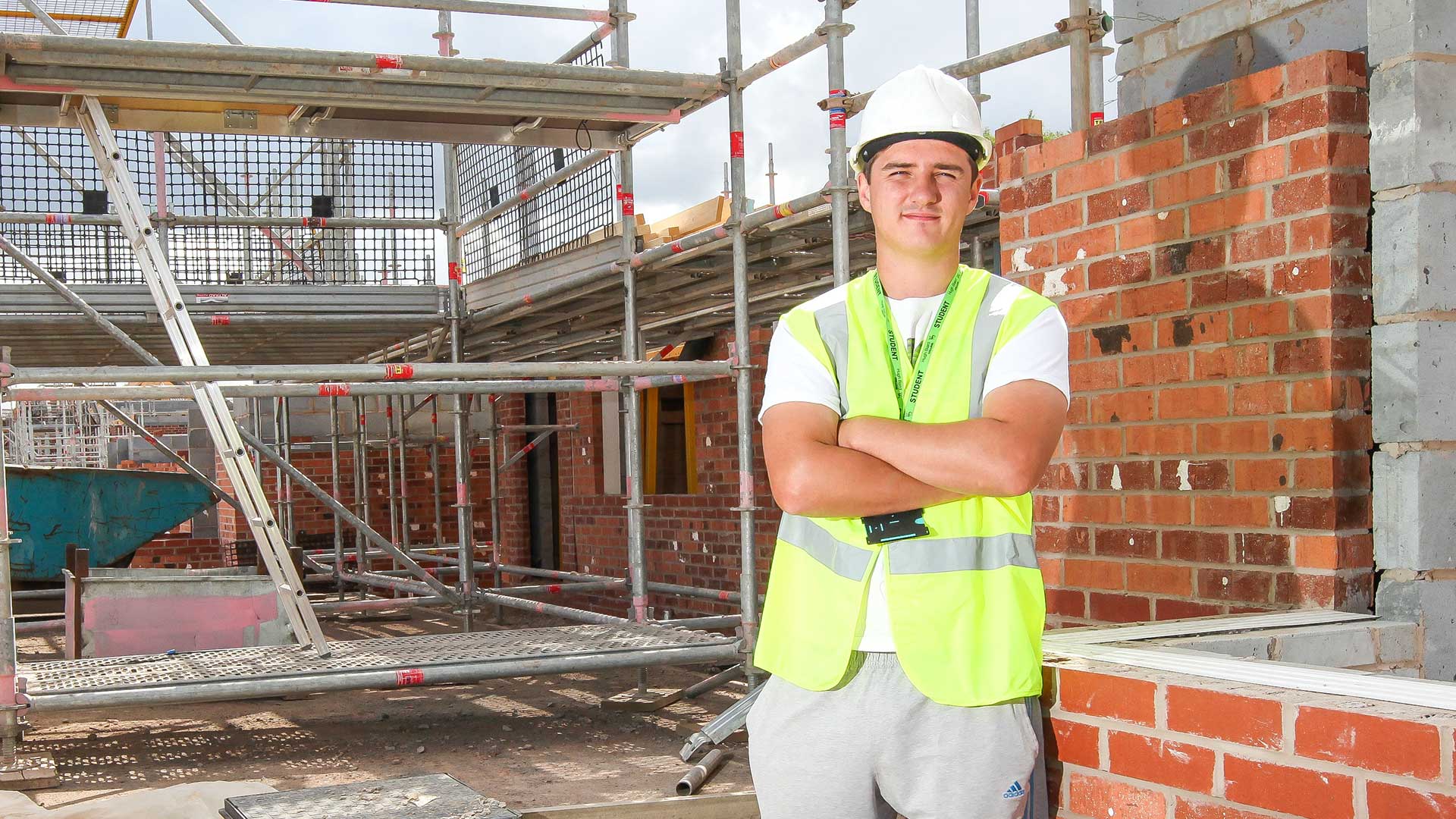
Bricklaying is one of the oldest trades in the world, and it is still one of the most in demand. Every new home, school, hospital and commercial building in the country needs a skilled bricklayer at some point. The pay is strong, the work is varied, and the sense of achievement when you step back and see something you have built with your own hands is hard to beat.
On a brickwork course at Hugh Baird College you will learn walling techniques, how to set out a job, how to read plans and drawings, and how to work safely on a live site. You will develop the accuracy and craftsmanship that employers look for the minute you turn up on day one of an apprenticeship.
Typical earnings once qualified: £28,000 to £40,000 and beyond, with plenty of scope to go self-employed or move into site supervision later on.
Carpentry and joinery courses
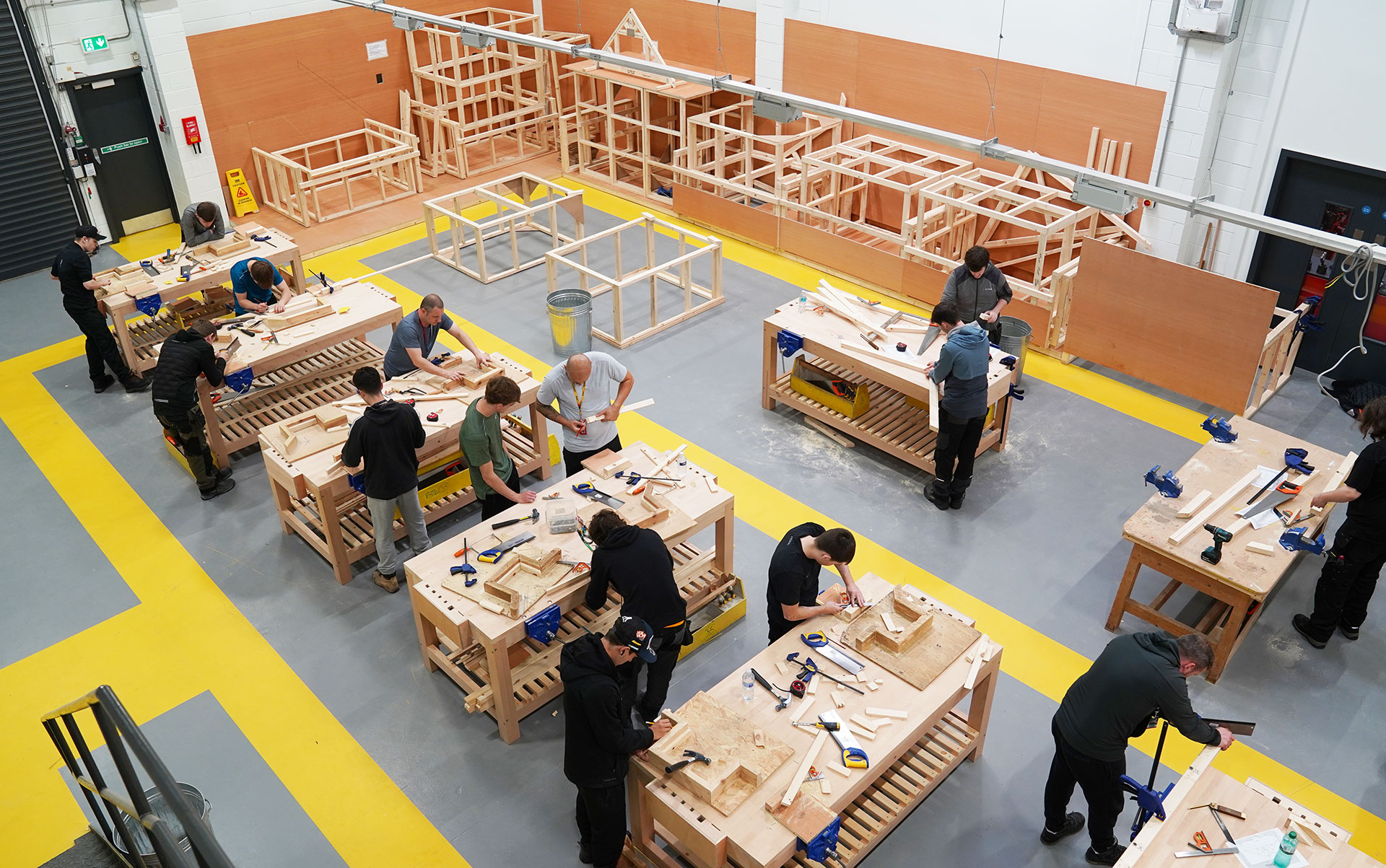
If you enjoy detail, problem solving and working with your hands, carpentry and joinery is worth a serious look. Carpenters work on site fitting roofs, floors, staircases and doors. Joiners work in workshops creating the timber products that get installed into buildings, from window frames to bespoke fitted furniture.
You will learn bench joinery, site carpentry, how to measure and mark out accurately, how to use hand and power tools safely, and how to finish work to a professional standard. It is a trade that rewards patience and precision, and it opens doors to everything from house building to bespoke furniture making.
Typical earnings once qualified: £28,000 to £38,000 and beyond. Many experienced carpenters go on to run their own businesses.
Plumbing courses
Plumbing is one of those trades that will never go out of demand. Every home, every business, every new building needs water, heating and drainage. And when something goes wrong, people are prepared to pay good money to get it fixed quickly.
On a plumbing course at Hugh Baird College you will learn how domestic water and heating systems work, how to install pipework, how to find and fix faults, and how to work safely around gas and water. It is a trade that mixes technical knowledge with practical skill, which makes every day different.
Typical earnings once qualified: £30,000 to £45,000 and beyond. Self-employed plumbers in Merseyside often earn considerably more.
Electrical Installation courses
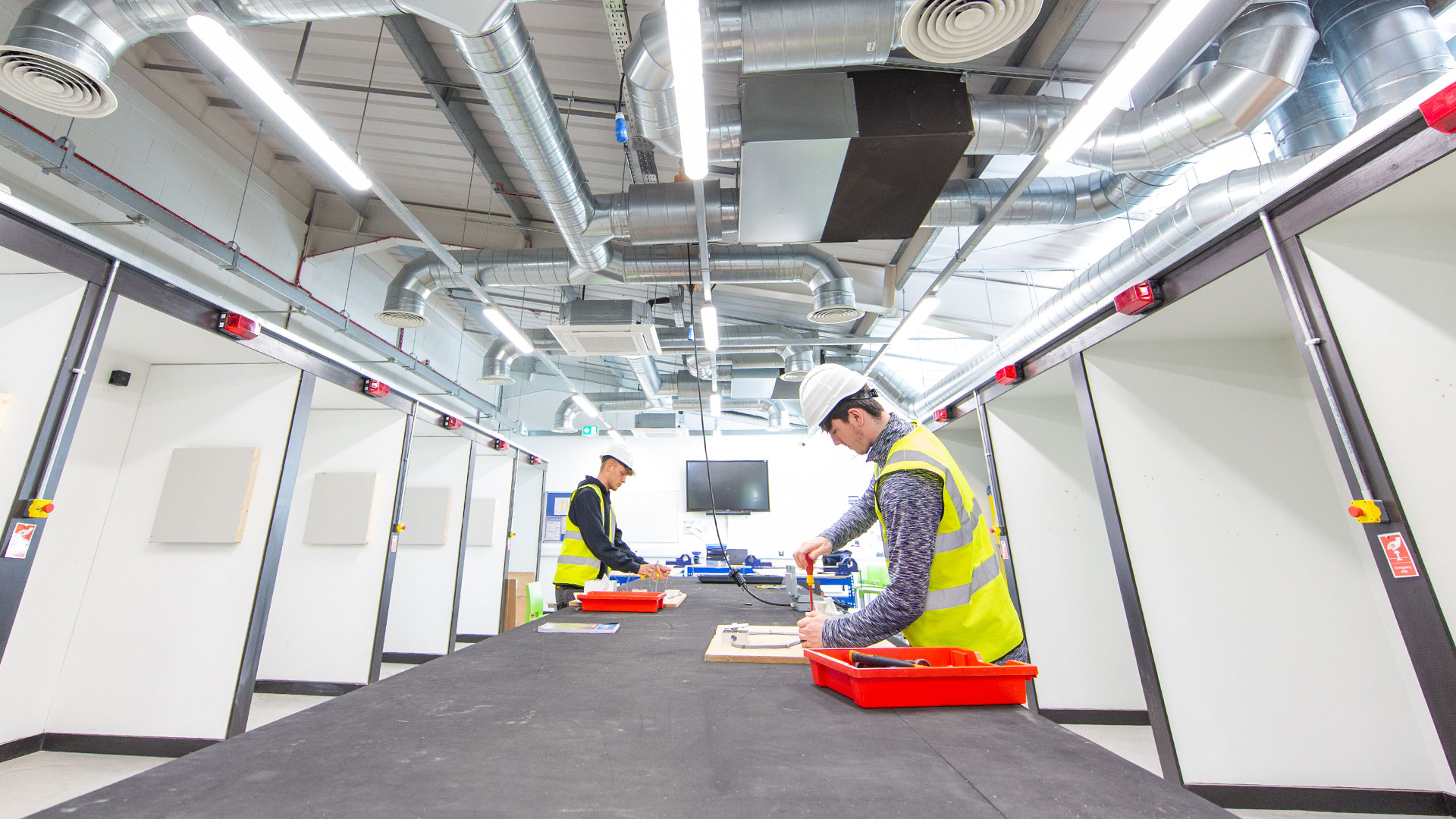
If you like the idea of a technical trade where you need to think logically and solve problems, electrical installation could be for you. Electricians wire everything from new build housing estates to commercial buildings, and the rise of electric vehicles, solar panels and smart home tech means demand is only going in one direction.
On an electrical installation course at Hugh Baird College you will learn the principles of electrical installation, wiring, circuits, inspection and testing, and safe working practices. It is a trade that takes time to master, but the rewards are worth it, and it offers some of the strongest long-term earning potential of any route.
Typical earnings once qualified: £32,000 to £45,000 and beyond. Approved electricians running their own contracts often earn more.
Plastering courses
Plastering is a skilled trade that makes the difference between a rough finish and a professional one. Every wall and ceiling in every home needs a plasterer at some stage, and a good one will never be short of work. It is ideal for students who take pride in detail and enjoy seeing immediate results from their effort.
You will learn surface preparation, plaster application, internal finishing techniques and the accuracy needed to work to a professional standard on site.
Typical earnings once qualified: £28,000 to £38,000 and beyond, with strong demand for skilled plasterers across Merseyside.
Surveying courses
Surveying is the perfect route for students who are fascinated by how buildings and land are measured, designed, planned and delivered. It is a technical career that combines site work with office based analysis, and it leads into some of the highest earning roles in the construction sector.
At Hugh Baird College, the route into surveying is our T-level in Design, Surveying and Planning for Construction, a two year Level 3 course starting in September at the Balliol Road Campus. You will study building technology, measurement, design, sustainability, project management and more, while spending a minimum of 45 days on industry placement with real construction employers. One T-level is worth the equivalent of three A-levels in UCAS points, and it leads into careers as a quantity surveyor, civil engineer, site surveyor, architect or construction project manager.
Typical earnings once qualified: £30,000 to £50,000 and beyond, with chartered quantity surveyors and building surveyors often earning considerably more.
Where could a construction course take you?
Here is the bit that often surprises school leavers. A trade qualification is not the end of the road, it is the beginning.
- A brickwork course can lead to an apprenticeship, then skilled bricklayer, then site supervisor or your own business.
- A carpentry and joinery course can lead to employment as a carpenter, then specialist contractor, then running your own firm.
- A plumbing course can lead to an apprenticeship, then qualified plumber, then heating engineer or self-employed specialist.
- An electrical installation course can lead to an apprenticeship, then electrician, then approved contractor or business owner.
- A surveying or built environment course can lead to university, then quantity surveying, site management, design or project management roles.
The point is, whichever door you walk through in September, there are plenty more doors on the other side.
Why study construction at Hugh Baird College?
We are one of only three Ofsted Outstanding further education colleges in the whole of the North West. Our construction provision is taught in specialist workshops with the kind of professional standard equipment and tools you will actually see on a real site. Most of our tutors have worked in the trade themselves, so they know what employers are looking for and what you will face on day one of a job.
For most 16 to 18 year olds, our construction courses are completely free. Adult learners may also be eligible for funding depending on their circumstances. The Balliol Road Campus is easy to reach from across Merseyside by bus and Merseyrail, so wherever you are in Liverpool, Bootle, Sefton, Crosby, Kirkby or further afield, you can get to us.
Apply now for September
If any of this sounds like the kind of future you want, the next step is simple. Applications are open for September entry, and places on our most popular construction courses fill up quickly. Tap here to apply.
Still not sure which trade is right for you? Take our Find Your Trade quiz to get a personalised recommendation.
Whatever route you choose, choose one that works for you. Some futures are Built Differently. Yours could be one of them.